Resource Is Not Reserve: The Mining Headline Gap
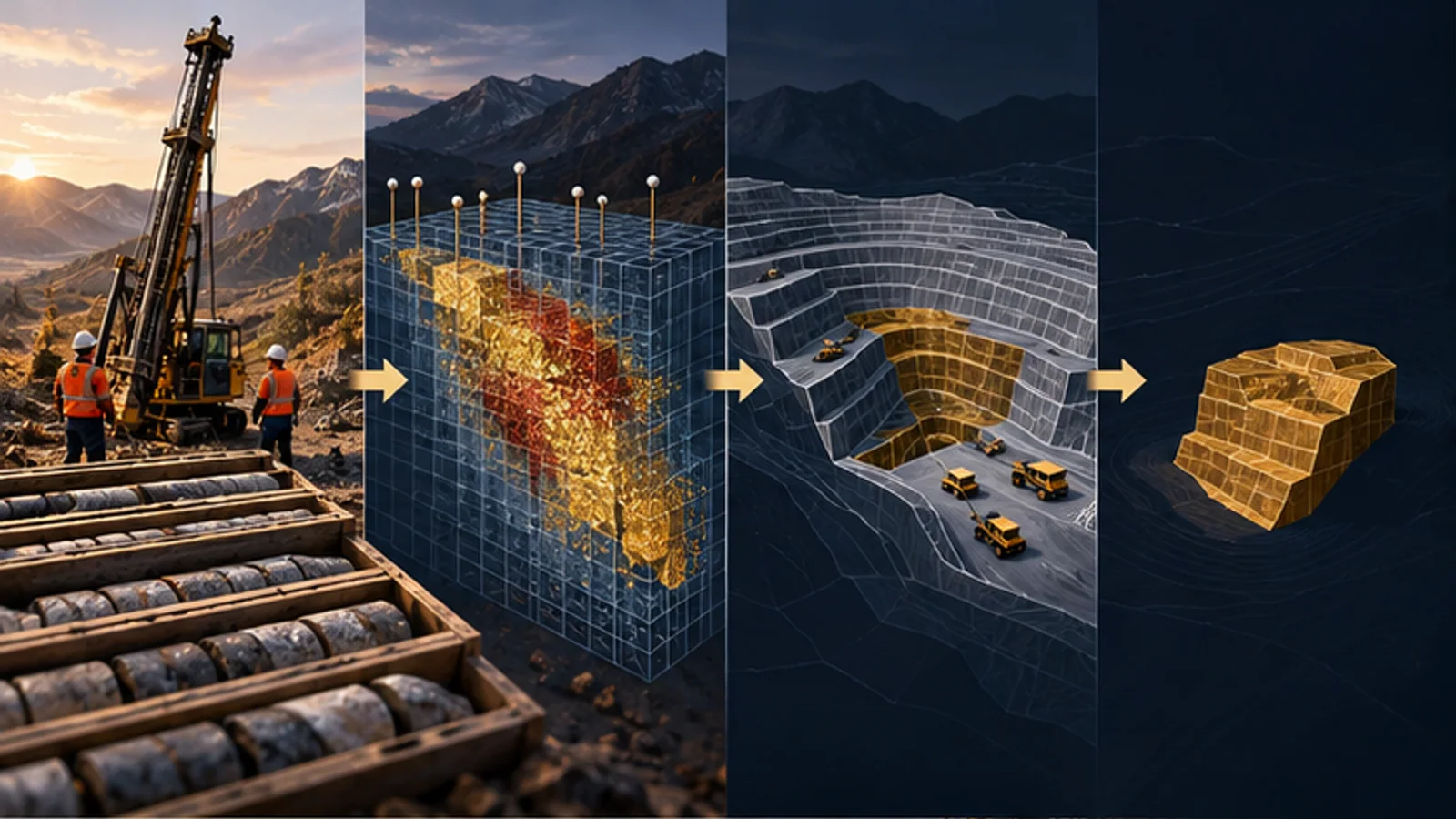
Image: NZ Dog
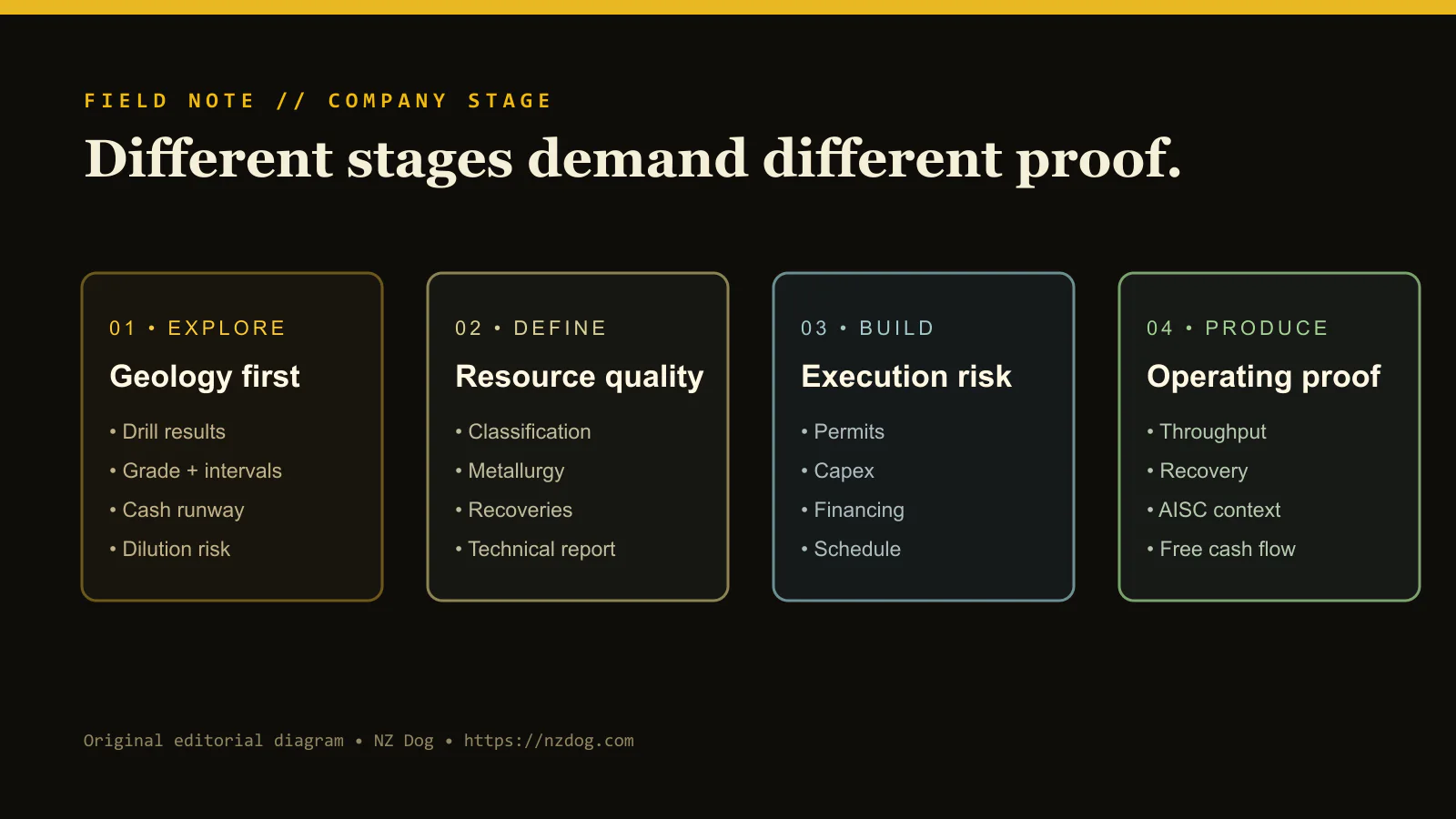
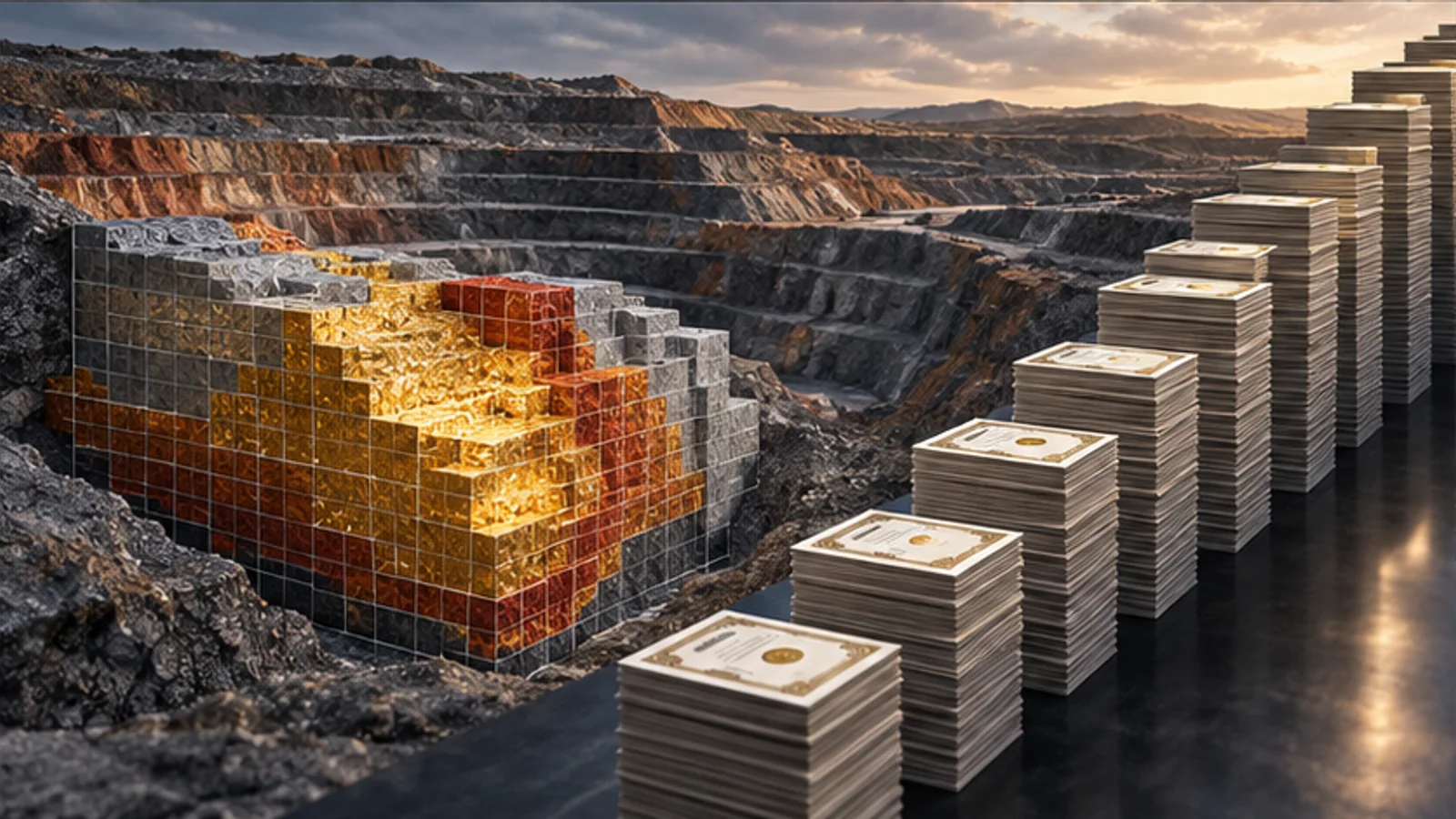
“Millions of ounces discovered” is one of mining promotion’s most effective phrases. It sounds like inventory. It is often a resource estimate—a serious technical milestone, but not metal sitting on a shelf and not automatically a mine.
The distinction between a mineral resource and a mineral reserve is where geology meets engineering, economics, and permission.
The plain-language difference
A resource estimate describes mineralization with reasonable prospects under stated assumptions and confidence categories. A reserve is the economically mineable part supported by engineering and the application of modifying factors.
Those factors include far more than metal price:
- mining and processing method;
- metallurgical recovery;
- infrastructure and energy;
- capital and operating costs;
- environmental and permitting requirements;
- legal, social, marketing, and government factors;
- dilution, losses, schedule, and closure.
A company can expand a resource while a reserve shrinks if costs rise, recoveries disappoint, or the mine plan changes.
Why confidence categories matter
Not every tonne in a resource model has equal evidentiary support. Drill spacing, sampling, geology, and estimation determine confidence. Promotional charts sometimes add categories together into one dramatic total. A careful reader separates them and checks which categories the mine plan relies on.
Also look for the effective date. A technically precise estimate can still be stale if commodity prices, costs, ownership, permitting, or later drilling have materially changed.
Read the technical report like a failure map
SEC-filed S-K 1300 technical report summaries identify qualified persons and cover property, geology, exploration, processing, infrastructure, environmental work, capital, operating costs, economic analysis, and risks.
The most useful sections are not always the executive-summary ounces. Read:
- assumptions behind cut-off grade;
- metallurgical testing and variability;
- capital-cost class and contingency;
- permitting status and water requirements;
- sensitivity to metal price, grade, recovery, and cost;
- qualified persons’ risks and recommended work.
If a company presentation resolves uncertainty that the technical report still flags, believe the technical report.
The spicy shortcut to avoid
Dividing market capitalization by “ounces in the ground” can make an early project look absurdly cheap. It also treats all ounces as equally recoverable, financeable, permitted, and valuable. They are not.
That ratio can be a screening clue when used among comparable projects at similar stages. Used alone, it rewards the largest denominator and hides the hardest work.
Sources and limits
The linked company filing illustrates the report structure and its risk disclosures; it is not a recommendation or endorsement. This article is educational and is not investment advice.
Key takeaway
Resource is geological evidence. Reserve is a more advanced economic and engineering claim after modifying factors. Before valuing ounces, ask how many gates stand between the estimate and saleable metal.
mineral resourcemineral reserveS-K 1300mining equities